How to Prevent Costly Plumbing Emergencies Before They Happen
Picture this: it’s a quiet Sunday afternoon, and suddenly you hear the sound of rushing water. Panic sets in as you realize it’s coming from your basement. A plumbing emergency can strike at any moment and often when you least expect it. The chaos that follows can lead to costly repairs, damage to your home, and endless stress.
Preventing these unwelcome surprises starts with understanding the importance of proper plumbing maintenance. By being proactive, homeowners can save themselves not just money but also time and headaches down the road. In this guide, we’ll dive into what causes plumbing emergencies and share practical tips for sidestepping them altogether. Whether you’re a seasoned DIY enthusiast or someone who prefers leaving things to professionals, there’s something here for everyone looking to keep their plumbing system running smoothly. Let’s get started on safeguarding your home against those unexpected waterworks!
Understanding the Importance of Proper Plumbing Maintenance
Proper plumbing maintenance is the backbone of any efficient home. Regular check-ups help identify potential issues before they escalate into costly disasters. Small leaks, for instance, can quietly morph into significant problems if left unchecked.
Neglecting your plumbing system can lead to a cascade of emergencies. Clogged drains may seem minor but can result in backups that overflow and damage property. Addressing these concerns promptly keeps your water flow smooth and steady.
Moreover, well-maintained pipes and fixtures enhance your home’s overall value. Prospective buyers are more likely to be interested in a house with updated plumbing systems rather than one filled with hidden surprises.
Investing time in routine inspections not only saves you money but also offers peace of mind. Knowing your plumbing is functioning optimally allows you to focus on what truly matters—enjoying life without the fear of unexpected leaks or bursts disrupting it all.
Common Causes of Plumbing Emergencies
Clogged drains are a leading cause of plumbing emergencies. Over time, hair, grease, and other debris accumulate in pipes, creating blockages that can lead to backups.
Burst pipes often occur during extreme weather conditions. When temperatures drop, water inside the pipes freezes and expands. This pressure can result in cracks or breaks.
Leaky faucets may seem minor but can escalate quickly. A small drip today could turn into significant water waste tomorrow if not addressed promptly.
Water heater failures also contribute to urgent situations. Sudden leaks or inconsistent hot water supply can disrupt daily routines.
Damaged sewer lines are another serious concern. Tree roots or shifting soil can compromise these vital systems, causing sewage backups that demand immediate attention.
Tips for Preventing Plumbing Emergencies
One of the easiest ways to prevent a plumbing emergency is by monitoring your water pressure. High pressure can lead to leaks and burst pipes, so consider installing a pressure-reducing valve if you notice any issues.
Keep an eye on your drains too. Regularly clear out hair, grease, and debris that can cause clogs. A simple monthly maintenance routine with baking soda and vinegar can keep them flowing smoothly.
Another effective strategy is insulating your pipes during colder months. This protects against freezing and bursting when temperatures drop.
Don’t forget about your water heater either. Flushing it annually removes sediment build-up that can affect performance and lifespan.
Educate everyone in the household about what not to flush down toilets or pour down sinks — even seemingly harmless items like wipes or cooking oil can create major problems over time.
Schedule Regular Inspections and Maintenance
Scheduling regular inspections and maintenance is a crucial step in preventing plumbing emergencies. A routine check can help identify potential issues before they escalate into costly repairs.
During these inspections, professionals will examine your pipes, fixtures, and appliances for signs of wear or damage. They can detect leaks that may not be visible to the naked eye. Early detection often saves homeowners from severe water damage down the line.
Maintenance also involves cleaning out drains and ensuring proper function of sump pumps. Simple tasks like flushing your water heater help maintain efficiency and prolong its lifespan.
Consider setting reminders for annual or biannual inspections with a trusted plumber. This proactive approach makes it easier to manage small fixes rather than facing unexpected plumbing disasters later on. Taking this simple step ensures peace of mind while safeguarding your home’s infrastructure against sudden failures.
Know When to Call a Professional
Recognizing when to call a professional plumber can save you from escalating issues. Some problems are just too complex for DIY fixes.
If you notice persistent leaks, strange noises, or slow drainage, it might be time to pick up the phone. These signs often indicate deeper plumbing issues that require expert attention.
Don’t hesitate if your water pressure suddenly changes or if there’s discolored water coming from your taps. Both situations can signal serious underlying problems.
Attempting to fix these without proper knowledge could lead to more significant damage and increased costs down the road. A licensed plumber will have the tools and expertise necessary for accurate diagnosis and effective repairs.
Trust your instincts; if something feels off with your plumbing system, reach out for help before it turns into a full-blown emergency situation.
DIY Solutions for Minor Plumbing Issues
Tackling minor plumbing issues yourself can be empowering. Simple problems often don’t require a professional’s expertise.
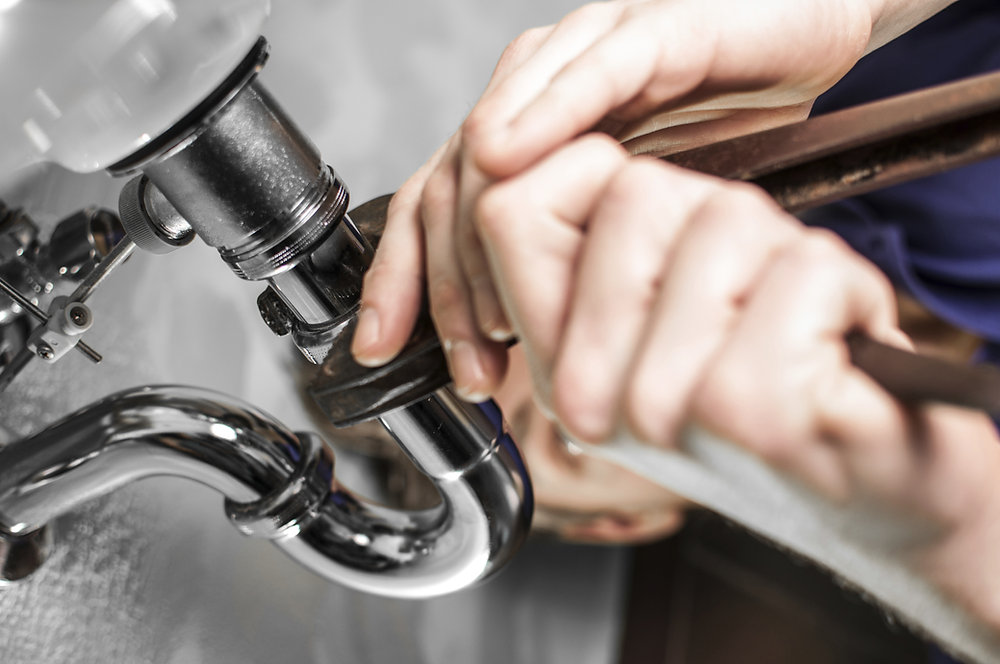
For instance, a clogged sink is easy to address with some basic tools. Start by using a plunger. If that doesn’t work, try removing the trap under the sink for an effective cleanout.
Leaky faucets can also be fixed without much hassle. Often, replacing an old washer does the trick. Make sure to turn off your water supply first to avoid any mess.
Another common issue is running toilets. Check for a faulty flapper valve or chain that might need adjustment or replacement.
Always remember to have essential tools handy: wrenches, pliers, and screwdrivers will make these tasks smoother. Just ensure you’re cautious when diving into repairs; knowing your limits is key in DIY plumbing projects!
Conclusion: Saving Time, Money, and Stress with Proactive Plumbing Care
Preventing plumbing emergencies is all about being proactive. Regular maintenance and inspections can save you from the chaos of sudden leaks or clogs that disrupt your life. When you take charge of your plumbing system, you’re not just avoiding costly repairs; you’re also preserving the integrity of your home.
Being aware of common issues allows you to address them early on. Simple DIY fixes can tackle minor problems before they escalate into major disasters. And knowing when to call a professional ensures that any complicated issues are handled correctly.
Investing time in plumbing care today means saving time, money, and stress tomorrow. By following these tips and staying vigilant, you’ll create a more efficient and reliable plumbing system for years to come. Prioritizing this aspect of home maintenance pays off significantly in the long run—keeping your home safe and comfortable without unexpected interruptions.
SCHEDULE AN APPOINTMENT
CONTACT US TODAY!
Don’t let clogged drains cause you more stress. Contact Griffin Plumbing at (602) 909-0286 and rely on our skilled plumbers in Phoenix, AZ, to clear your drains quickly and efficiently. We’re here to help!